
Meeting Growing Power Demand Across African Markets
Demand across the corridors is rising faster than the register can admit new capacity. This is how the Exchange is building a renewables platform capable of meeting it.
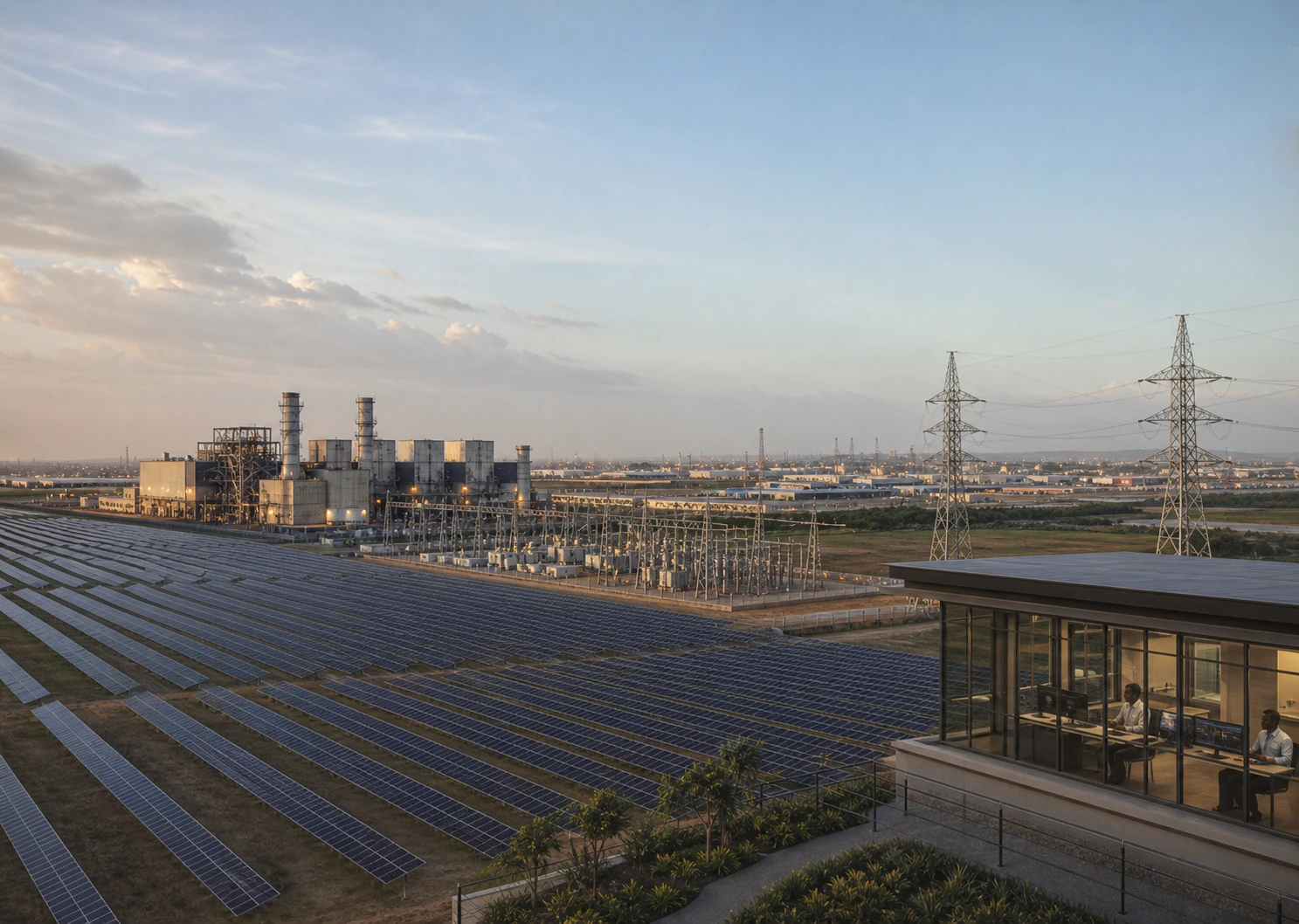
Where the demand is coming from
Three sources dominate. Industrial processing is moving closer to where minerals are extracted, which concentrates load in corridors that have never carried it. Digital infrastructure is arriving in markets that previously routed their data offshore. And electrification of transport and cold chain is adding steady, price-sensitive demand across the same geography.
None of these can be served by capacity added a project at a time. They require a platform: a standing pool of operators, verified and pre-cleared, that a corridor developer can contract against when demand materialises.
Building capacity ahead of contract
The Exchange's role is to shorten the gap between demand appearing and capacity being financed. We admit operators before they have offtake, hold their development records in custody, and make their consented pipeline visible to members who are planning industrial load.
That inversion matters. When a processing member signs a long-term supply agreement, the counterparty's licensing, land and construction record has already been verified, and settlement terms are already in place. What used to take a year of bilateral diligence resolves in weeks.
Reliable, cost-competitive, and evidenced
Members are not asking for clean power at a premium. They are asking for power that is cheaper than the diesel and imported fuel it displaces, firm enough to run a plant, and documented well enough to satisfy their own lenders and customers.
The register is built to that standard. Generation is contracted against metered delivery, compliance standing is maintained continuously rather than at renewal, and every megawatt-hour settled carries provenance from the generating asset to the industrial member that consumed it. That evidentiary chain is increasingly what corridor buyers are actually purchasing.
The constraint the Exchange is working on
The binding constraint is not generation, land or capital. It is the time it takes for a counterparty in one market to become underwritable by capital in another, and that delay is measured in quarters rather than weeks.
Compressing it is the whole purpose of a register. Admission is performed once, by the market operator, against a published standard. Every subsequent counterparty reuses that work instead of repeating it, and the operator maintains its standing continuously rather than reassembling it for each transaction.
As the pool of admitted operators grows, the practical effect is that a corridor member with rising load can find, contract and settle firm supply inside a single planning cycle — which is the difference between electrification that keeps pace with demand and electrification that lags it.
More Corridor Highlights
-
BatteriesInvesting in Energy Storage at Continental Scale
-
Sustainable aviation fuelFuel Platforms: Leaders in Sustainable Aviation Fuel
-
RenewablesRenewable Platforms Across the Global South