
Storage Platforms: The Continental Leader in Advanced Batteries
Low-voltage battery systems are among the highest-volume manufactured goods on the register. The Exchange lists the operators that lead their production.
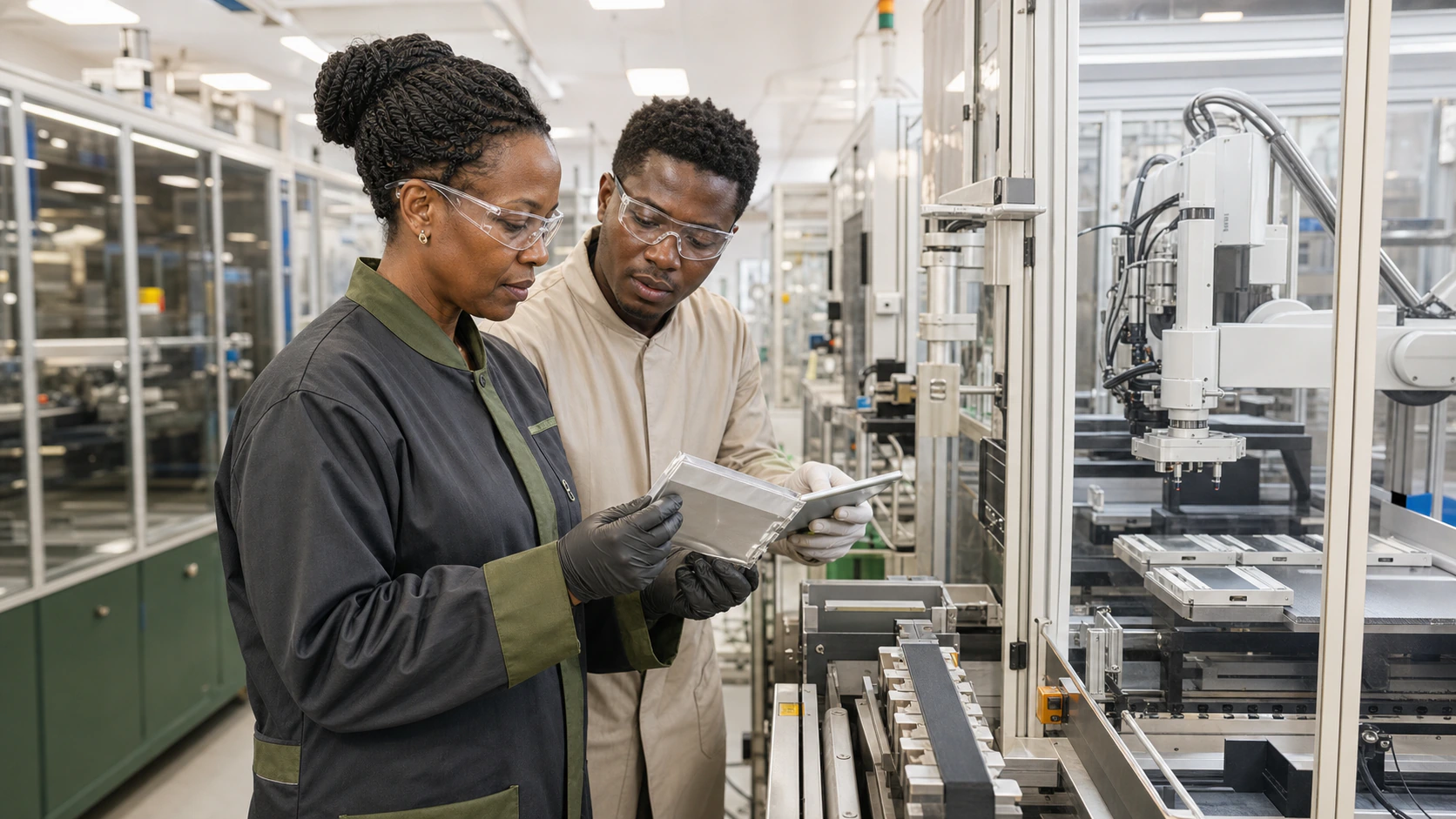
Scale that is easy to overlook
Advanced low-voltage batteries sit in roughly one in three vehicles on the road. The category is unglamorous and enormous, and it links directly to two things the Exchange cares about: mineral demand at one end and electrification at the other.
Operators on this platform lead that market globally. Listing them puts a large, stable manufacturing base on the register — and, more importantly, puts its raw material sourcing inside the same provenance regime as the minerals themselves.
Rebuilt as an independent business
Platforms of this kind commonly emerge from industrial conglomerates through carve-out, and the work that follows determines whether they succeed: standing up independent operations, then reinvesting substantially in manufacturing capacity rather than harvesting the position.
The Exchange records that trajectory. Capacity additions, plant certifications, recycling performance and supply-chain provenance are lodged as they occur, so members can see whether reinvestment has actually happened rather than relying on the assertion that it has.
The provenance link that matters
Battery manufacturing is where corridor minerals meet end demand, and it is increasingly where a mineral's compliance record is tested. Buyers of finished batteries are being asked by their own regulators to show where the inputs came from.
Listing manufacture on the same register as extraction and processing lets the Exchange carry provenance across that boundary. A battery settled through the Exchange can reference the verified origin of its inputs, and a corridor producer gains a documented route into the end market that ultimately consumes its output.
Recycling and second life
The end of a battery's first life is now a material part of its economics. Recovered materials return to the supply chain, and second-life applications extend the asset's earning period well beyond its original use.
The Exchange records both. Recycling capacity, recovery rates and second-life placements are held against the manufacturing platform, and recovered material re-enters the register with its provenance intact rather than losing its history at the point of recovery.
For corridor producers this is significant. A recovered-material stream with verified origin competes on the same evidentiary terms as newly extracted material, which is how a market avoids building a two-tier system where recycled inputs are cheaper but permanently harder to certify.
More Corridor Highlights
-
Essential ServicesSoftware Platforms: Mission-Critical Systems for Market Operators
-
Essential ServicesLogistics Platforms: Creating Smart Facilities Anywhere
-
Essential ServicesPayments Platforms: Building Leading Regional Settlement Rails