
Transmission Platforms: Moving Power Across Corridors
Transmission is the scarcest infrastructure in every corridor the Exchange serves, and the least often available to buy. Listing it changes who can hold it.
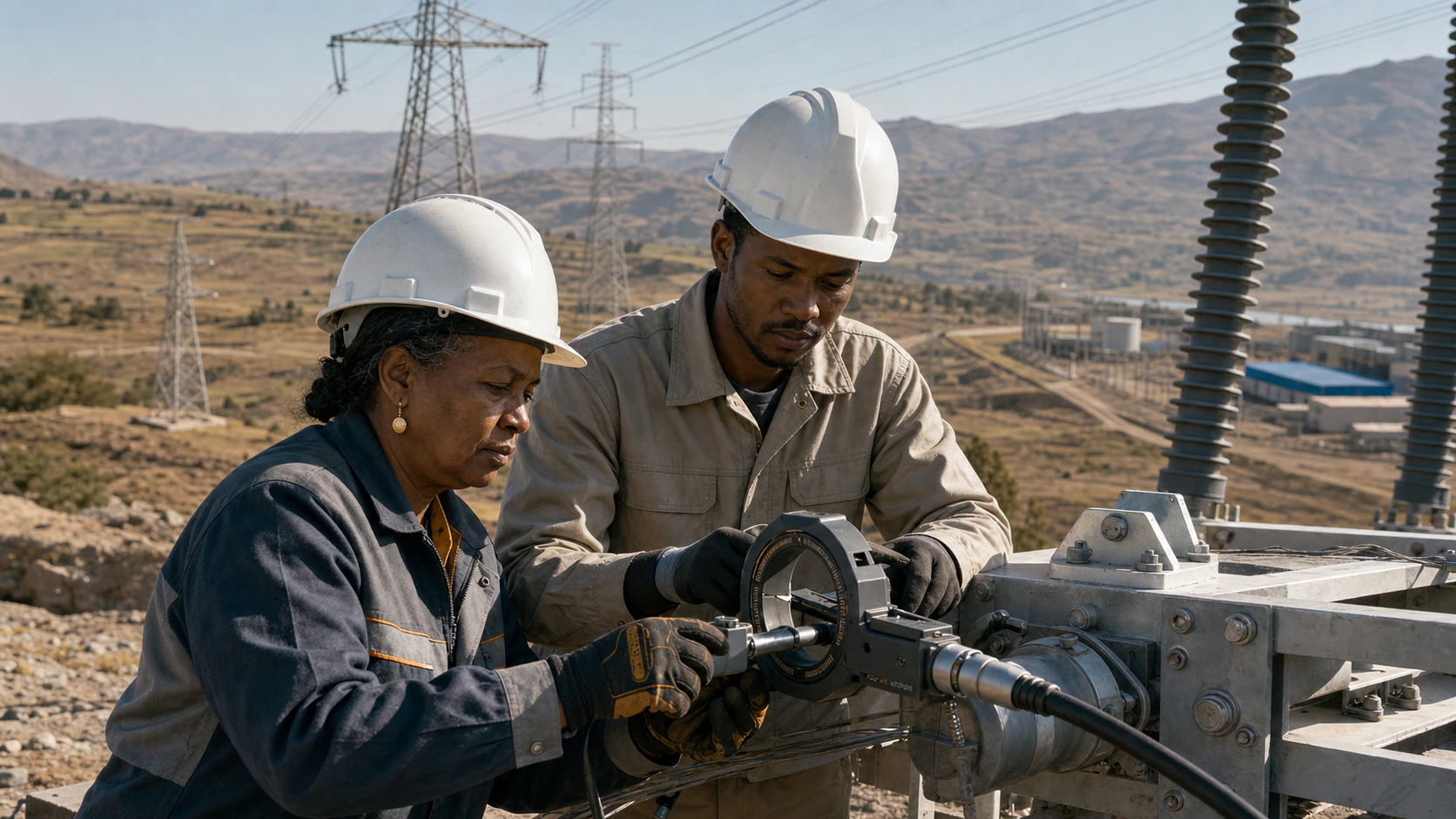
Pure transmission as an asset class
Most transmission sits inside integrated utilities, bundled with generation and distribution. Standalone transmission businesses — regulated, wires-only, with no commodity exposure — are rare, and that rarity is exactly what makes them valuable to members seeking regulated infrastructure returns.
Platforms of this kind on the register comprise several federally regulated transmission utilities operating thousands of miles of line across multiple jurisdictions. Their revenue derives from the regulated asset base rather than from power prices, which gives members a position insulated from commodity movement.
Why corridors are constrained here first
Across the markets the Exchange serves, generation can now be built faster than it can be connected. The binding constraint on corridor development is almost always transmission: the line that would carry power from where it is generated to where industry needs it.
Listing transmission capacity makes that constraint legible. Members planning industrial load can see the available and planned capacity on a given path, and contract for it, instead of discovering the limit after committing to a site.
Regulated returns, verified obligations
Transmission operators carry heavy and continuous obligations — reliability standards, interconnection duties, maintenance regimes and multi-jurisdiction reporting. Failure in any of them is both a compliance event and a corridor-level outage risk.
The Exchange holds those obligations in the operator's custody record and checks them at settlement. Members acquiring exposure therefore hold a documented compliance position alongside the regulated asset, and any deterioration is on the register before it becomes a surprise.
Building corridor transmission
The register's transmission platforms are useful to corridor members in a way that goes beyond the returns they generate. They are the operators with the engineering, consenting and delivery capability to build new lines where none exist.
The Exchange is working to make that capability contractable — so that a corridor developer facing a connection constraint can procure transmission development from a listed operator under Exchange terms, with milestones recorded as they clear.
That is a slower business than generation and considerably less visible, but it is where corridor development is now bounded. A market that can build lines as readily as it builds plants is a market where industrial capacity can be sited on merit rather than on proximity to existing wires.
More Corridor Highlights
-
UtilitiesHome Utility Services: Maintaining Connections Across Member Markets
-
RenewablesGeneration Platforms: Energy Leaders Across the Global South
-
DataData Platforms: Digital Rails for African Market Data