
Regional Power Platforms
Regional operators build the wind, solar and storage that sit closest to the corridors they serve. The Exchange lists them so that local development records carry weight with distant capital.
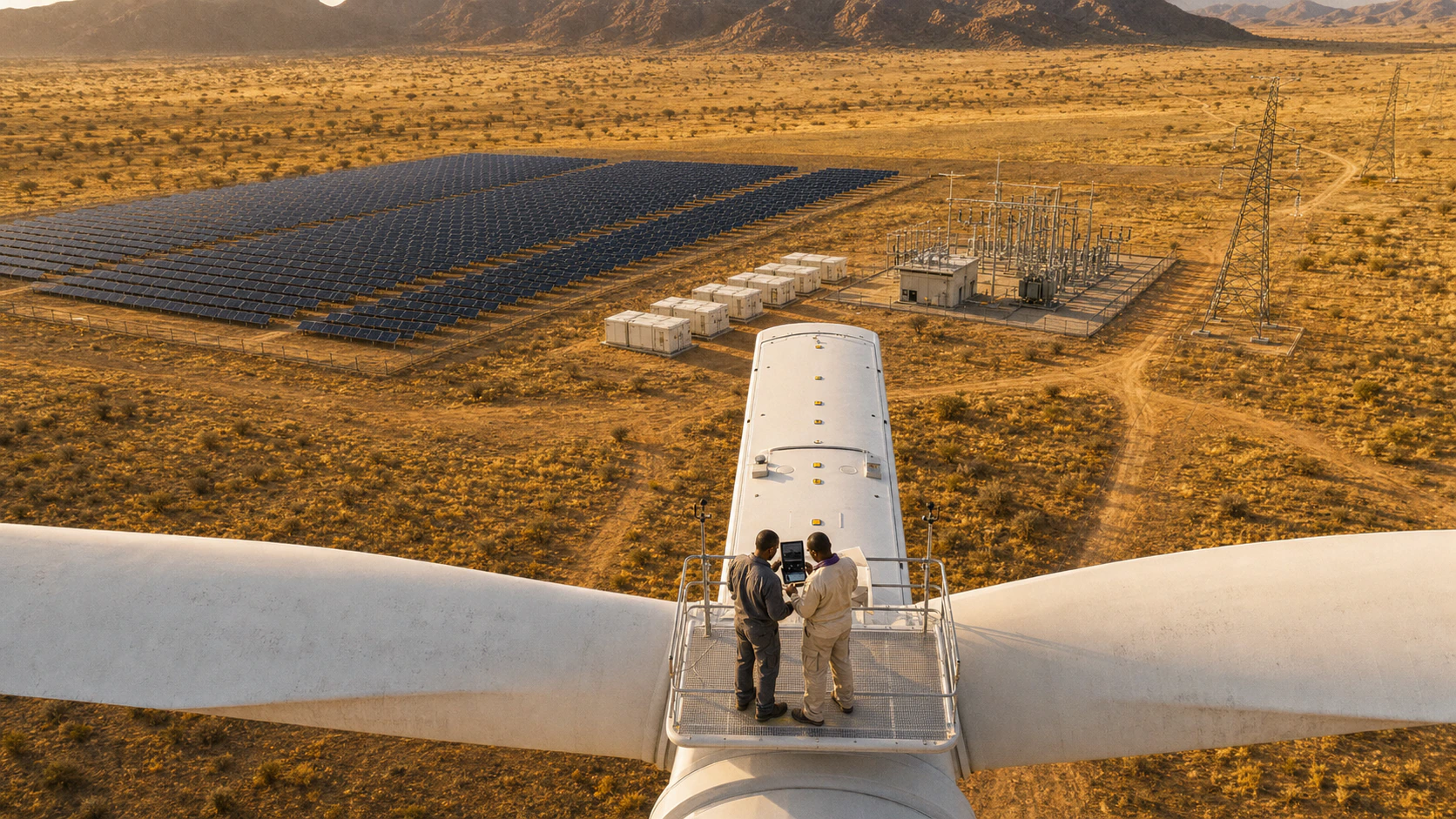
Development capability, listed as an asset
The scarce resource in regional power is not land or equipment but the capability to move a project through consent, connection and construction in a specific jurisdiction. That capability lives inside operating teams and has traditionally been invisible to anyone outside the market.
The Exchange lists it. A regional platform admitted to the register carries its consented pipeline, its connection agreements, its construction history and its operating performance as a single verified file, so that the track record itself becomes the basis on which capital is allocated.
Onshore wind, solar and storage in one book
Regional operators rarely run a single technology. A typical platform on the register combines operating onshore wind, a solar pipeline at varying stages of consent, and battery storage positioned to firm both.
Listing the platform rather than the individual project preserves that structure. Members can take exposure to the operator's whole book, or to a defined tranche of advanced-stage development, with the Exchange holding the underlying evidence for each project in the pipeline and reporting progress against it.
Why proximity matters to settlement
Regional operators are also the members most exposed to local compliance obligations — grid codes, community agreements, land tenure and environmental conditions that vary street by street. Failures in these areas, not technology risk, are what most often halt a project.
The Exchange holds those obligations in the same custody record as the commercial terms, and checks them at each settlement. A counterparty acquiring a position therefore acquires a documented compliance standing alongside the asset, and the operator is credited for the local work that made the project deliverable in the first place.
From pipeline to contracted output
Advanced-stage development is the hardest part of a regional platform to value, because it sits between a permission and an asset. Roughly a gigawatt of it may be in progress across a single operator's book at any time.
The Exchange handles this by recording the pipeline stage by stage. Land control, consent, grid offer, financing and construction start are each lodged as they clear, so a member can take exposure to a defined tranche and watch it progress rather than waiting for commissioning to learn whether the thesis held.
For the operator, that visibility is what converts development capability into funding. A platform that can demonstrate a consistent conversion rate from consent to commissioning can raise against its pipeline instead of against its balance sheet.
More Corridor Highlights
-
RenewablesMeeting Growing Power Demand Across African Markets
-
BatteriesInvesting in Energy Storage at Continental Scale
-
Sustainable aviation fuelFuel Platforms: Leaders in Sustainable Aviation Fuel