
Solar Platforms: Expertise Across the Full Development Process
Solar is the most portable generating technology the Exchange lists, and the hardest to underwrite without a record of how each site was assembled. Our solar platform exists to close that gap.
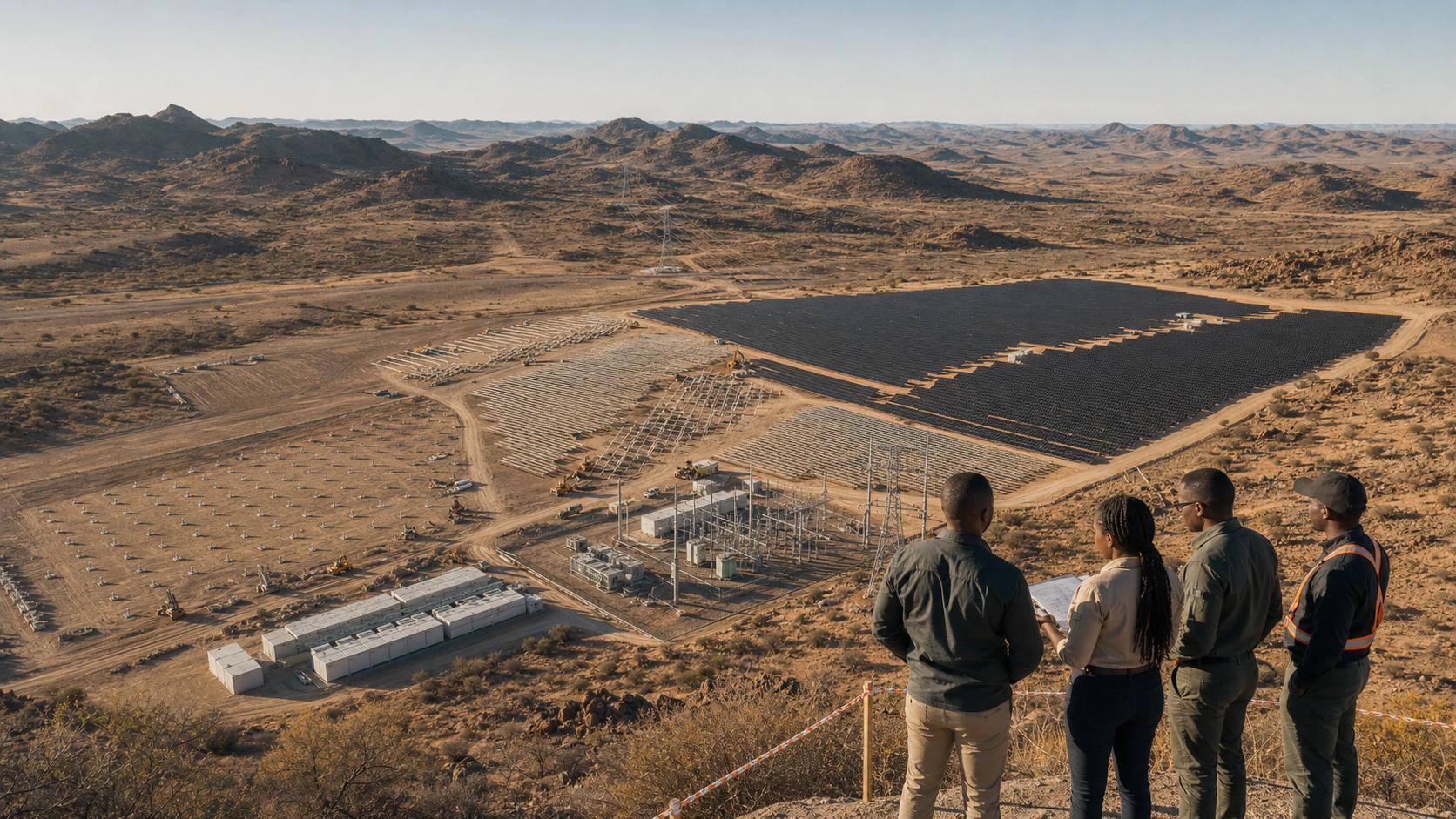
A platform built around the whole development chain
The Exchange admitted its first solar operators on a simple condition: that a member could show the full chain of a project, not just its nameplate. Site control, interconnection position, permitting history, offtake terms and commissioning evidence are lodged as a single record before capacity is listed for settlement.
That condition shaped the platform. Rather than list finished assets, we listed operators capable of carrying a project from land assembly through to commercial operation, and we built the custody rails that let their progress be verified at each stage. A corridor participant buying into an early-stage position is buying a documented sequence, not a promise.
Why the corridors take solar first
Across the corridors the Exchange serves, solar is usually the first firm generation a market can add at speed. It is modular, it can be sized to a single processing site or to a regional grid, and it can be financed in tranches that match how member balance sheets actually grow.
Speed without provenance, however, is what has historically stranded capital in these markets. Projects changed hands with incomplete land title, disputed grid queue positions, or offtake agreements that no counterparty could confirm. The Exchange treats each of those as a settlement risk rather than a diligence footnote, and holds the corresponding evidence in custody for the life of the asset.
What listing does for members
For developing members, listing converts an operating record into something financeable. Each milestone cleared adds to a provenance file that lenders and offtakers can read directly, which shortens the distance between a permitted project and a funded one.
For institutional members, the same file removes the largest source of pricing uncertainty in the sector. Capacity, curtailment history, land tenure and compliance standing arrive together, verified by the market operator rather than asserted by the seller.
The result is a solar market where the expensive work of establishing trust is performed once, at admission, and then reused by every participant who transacts against that asset.
How the position settles
Capacity contracted through the Exchange settles against metered generation rather than against a schedule. Delivery is reconciled at each period, shortfalls are recorded against the operator's standing, and payment clears only once both legs are confirmed.
That discipline changes what a solar position is worth. An operator with several years of clean settlement history carries a credential that travels to the next market it enters, and a member acquiring capacity inherits a measured record rather than a marketing deck.
It also gives corridor developers something they have rarely had: the ability to plan an industrial site around contracted solar with the confidence that the supply will be enforced, priced and evidenced by the market operator standing between them and the generator.
More Corridor Highlights
-
Energy SolutionsNuclear Platforms: Accelerating Commercial Power for African Markets
-
HydroHydro Platforms: Serving African Corridors With Baseload Power
-
WindRegional Power Platforms