
Hydro Platforms: Serving African Corridors With Baseload Power
Hydro remains the steadiest generation on the register, and the most sensitive to water rights, licence terms and long-run hydrology. The Exchange lists it with all three held in custody.
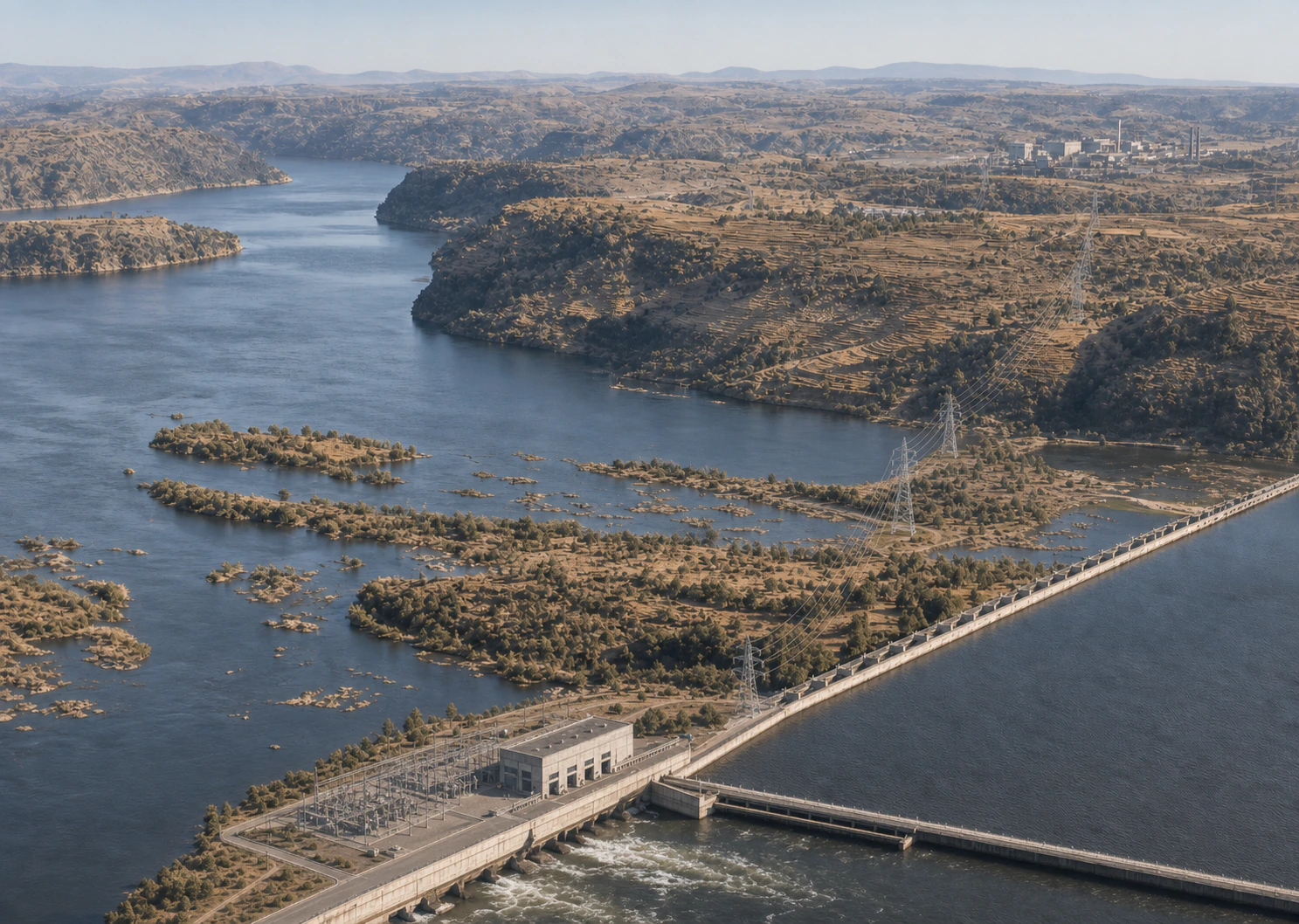
Long-lived assets, long-dated records
A hydro station admitted to the Exchange typically arrives with decades of operating history behind it and decades of licensed life ahead. That asymmetry is what makes the asset attractive and what makes it difficult to price without a market operator standing between buyer and seller.
We take the whole record into custody: generating licences and their renewal terms, water rights and any conditions attached to them, reservoir management obligations, and the year-by-year production history against which future output can be judged. Members transact against that file rather than against a prospectus.
Firming the corridors
In the corridors the Exchange serves, hydro plays a role no other technology fills. It provides baseload that does not depend on fuel imports, and storage that lets adjacent solar and wind capacity be dispatched when the corridor actually needs it.
That combination is why hydro positions are frequently paired on the register with variable renewable capacity in the same market. Members can contract for a firmed profile across two operators, with the Exchange settling both legs and holding the delivery evidence for each.
Contracting for verified delivery
Long-term power agreements written against hydro output have historically been difficult to enforce across borders, because neither party could independently confirm what was generated and delivered. The Exchange resolves this at the settlement layer: metered delivery is reconciled against the contract before payment clears, and any shortfall is recorded against the operator's standing.
The effect is to make multi-decade offtake something a corridor member can rely on rather than litigate. Industrial buyers gain a firm supply record they can show to their own financiers; operators gain a contracted revenue base that supports reinvestment in the plant.
Storage value beyond generation
A reservoir is a battery that was built before the term existed. Where a hydro station on the register has meaningful storage, the Exchange lists that capability separately from the generation itself, because members increasingly want to contract for flexibility rather than for energy alone.
This matters most where variable renewables are being added quickly. A corridor adding several hundred megawatts of solar needs somewhere to put the midday surplus and something to draw on after dark, and existing hydro storage is almost always the cheapest place to find both.
Contracting for that flexibility explicitly — with reservoir levels, ramp rates and availability held in the custody record — turns an incidental feature of an old asset into a listed, priceable service that the corridor can plan around.
More Corridor Highlights
-
WindRegional Power Platforms
-
RenewablesMeeting Growing Power Demand Across African Markets
-
BatteriesInvesting in Energy Storage at Continental Scale